
Getting started with how to WordPress can seem daunting, but with the right guidance, you can create a stunning website in no time. WordPress is one of the most popular content management systems, offering a wide range of customizable themes, plugins, and widgets to enhance your online presence. In this article, we’ll delve into the world of WordPress, exploring its features, benefits, and best practices for creating a successful website.
How to wordpress: Introduction to WordPress
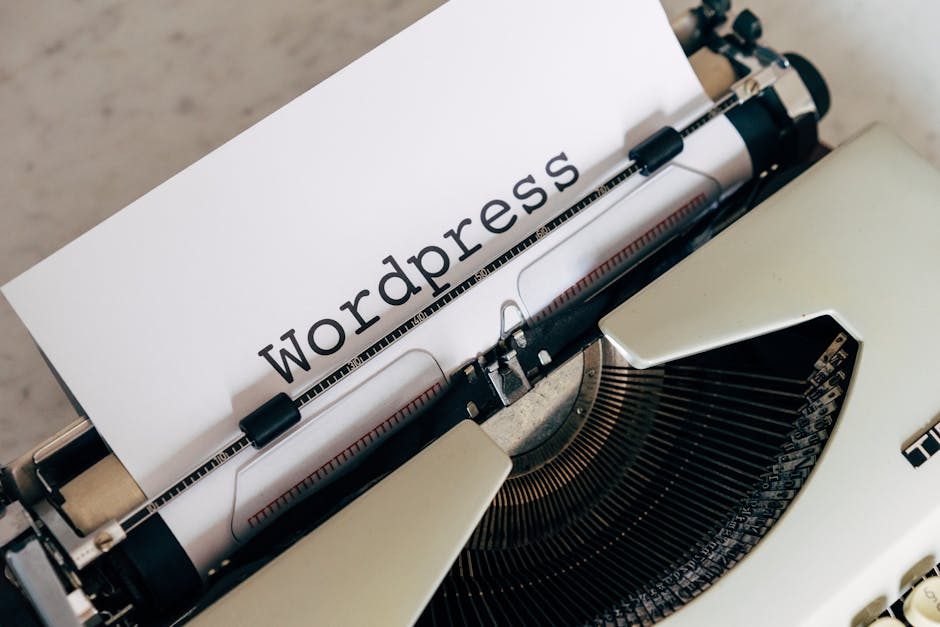
WordPress is an open-source platform that allows users to create and manage their own websites. With its user-friendly interface and extensive community support, WordPress has become the go-to choice for bloggers, businesses, and individuals alike. Whether you’re looking to create a personal blog or a complex e-commerce site, WordPress has the tools and resources to help you achieve your goals.
Installing and Setting Up WordPress
Before you can start creating your website, you need to install and set up WordPress. This involves choosing a web host, selecting a domain name, and installing the WordPress software. You can choose from a variety of web hosts, such as Bluehost or SiteGround, which offer one-click WordPress installations. Once you’ve installed WordPress, you can start customizing your site by selecting a theme, installing plugins, and creating content.
Essential Plugins for WordPress
- Yoast SEO: A comprehensive SEO plugin that helps you optimize your website for search engines.
- Jetpack: A security and performance plugin that offers features such as malware scanning and caching.
- Contact Form 7: A popular contact form plugin that allows you to create custom forms and manage submissions.
Customizing Your WordPress Site
Once you’ve installed and set up WordPress, it’s time to start customizing your site. This involves selecting a theme, creating content, and adding widgets and plugins to enhance your site’s functionality. You can choose from a wide range of free and premium themes, each with its own unique design and features. You can also customize your site’s layout, colors, and typography to match your brand and style.
Optimizing Your WordPress Site for SEO
Search engine optimization (SEO) is crucial for any website, and WordPress offers a range of tools and plugins to help you optimize your site. You can use plugins such as Yoast SEO to analyze your site’s performance, optimize your meta tags, and create high-quality content. You can also use tools such as Google Analytics to track your site’s traffic and engagement.
For more information on WordPress and SEO, visit wordpress.org or moz.com.
Conclusion
In conclusion, learning how to WordPress is a valuable skill that can help you create a stunning website and establish a strong online presence. With its user-friendly interface, extensive community support, and wide range of customizable themes and plugins, WordPress is the perfect platform for anyone looking to create a website. By following the tips and best practices outlined in this article, you can master the art of WordPress and take your website to the next level.
FAQs
What is WordPress?
WordPress is an open-source content management system that allows users to create and manage their own websites.
How do I install WordPress?
You can install WordPress by choosing a web host, selecting a domain name, and installing the WordPress software.
What are the best plugins for WordPress?
Some of the best plugins for WordPress include Yoast SEO, Jetpack, and Contact Form 7.
How do I customize my WordPress site?
You can customize your WordPress site by selecting a theme, creating content, and adding widgets and plugins to enhance your site's functionality.
Related Reading
- How to work — Mastering How to Work Efficiently — Best Guide 2026
- How to work — Mastering Productivity: How to Work Smarter (2026)
- How to woocommerce: Mastering WooCommerce: A Beginner’s Guide …
In short, how to wordpress rewards a careful, informed approach. Use this how to wordpress guide as a starting framework, adapt it to your situation, and re-check the facts whenever the topic moves.
