
Learning how to wordpress is an essential skill for anyone looking to create a professional website. With millions of users worldwide, WordPress is one of the most popular content management systems available. In this article, we’ll explore the basics of WordPress and provide tips on how to get started.
How to wordpress: Getting Started with WordPress
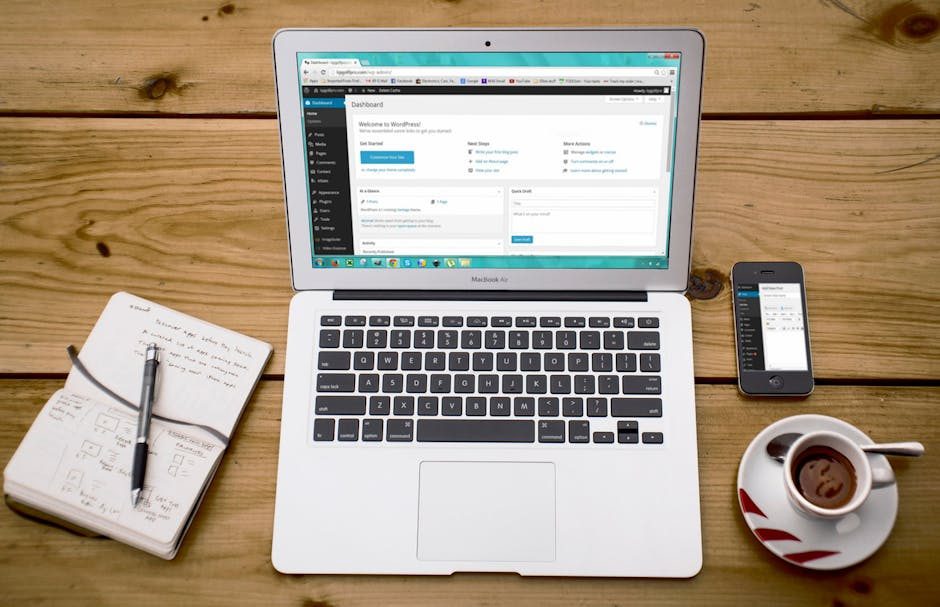
Before diving into the world of WordPress, it’s essential to understand the basics. This includes choosing a domain name, selecting a web hosting service, and installing the WordPress software. For more information on web hosting, visit wordpress.org.
Customizing Your WordPress Site
Once you’ve installed WordPress, it’s time to customize your site. This includes choosing a theme, installing plugins, and creating content. Some popular plugins include SEO optimization tools and social sharing buttons. When learning how to wordpress, it’s crucial to understand the importance of customization.
Choosing the Right Theme
With thousands of themes available, choosing the right one can be overwhelming. Consider the purpose of your website, your target audience, and the level of customization you need. Some popular theme options include:
- Free themes: Available through the WordPress theme directory.
- Premium themes: Offered by third-party developers and often include additional features.
- Custom themes: Designed specifically for your website and can be more expensive.
Optimizing Your WordPress Site
Optimizing your WordPress site is crucial for search engine rankings and user experience. This includes optimizing images, using caching plugins, and ensuring mobile responsiveness. For more information on SEO optimization, visit google.com.
Maintaining Your WordPress Site
Maintaining your WordPress site is essential for security and performance. This includes regularly updating plugins and themes, backing up your site, and monitoring for malware. When learning how to wordpress, it’s crucial to understand the importance of maintenance.
Conclusion
In conclusion, mastering how to wordpress takes time and practice. By following the tips and techniques outlined in this article, you’ll be well on your way to creating a successful WordPress site. Remember to stay up-to-date with the latest trends and best practices to ensure your site remains secure and optimized.
FAQs
What is WordPress?
WordPress is a content management system used to create and manage websites.
How do I install WordPress?
You can install WordPress through your web hosting service or by downloading the software from the official WordPress website.
What are WordPress plugins?
WordPress plugins are software that add functionality to your WordPress site, such as SEO optimization tools and social sharing buttons.
How do I customize my WordPress site?
You can customize your WordPress site by choosing a theme, installing plugins, and creating content.
Why is maintenance important for my WordPress site?
Maintenance is essential for security and performance, and includes regularly updating plugins and themes, backing up your site, and monitoring for malware.
Related Reading
- How to work — Mastering How to Work Effectively (2026)
- How To Work Hard: Latest News and Updates (2026) — Best Guide
- How To Work Ac: Overview, Latest Updates and Key Facts (2026) …
Further reading: How to wordpress on forbes.com.
Why this matters
How to wordpress has become a regular topic for readers in 2026 because the choices, prices and best practices keep shifting. The aim of this guide is to give you a clear, current view so you can decide quickly without reading ten different blog posts.
Key things to consider
- Match the option to your actual use-case — the most popular pick is rarely the right one for everyone.
- Compare on the metrics that matter to you (cost, time, quality), not just star ratings.
- Re-check the facts every few months. Things change quickly in this space.
- Keep one trusted reference handy and ignore the rest of the noise.
Common questions
Most readers ask roughly the same handful of questions about how to wordpress. The short answers below cover the basics; for the full details, use the sections above as your structured reference.
