
Getting started with how to WordPress can seem daunting, but with the right guidance, you can create a stunning website or blog. WordPress is an incredibly versatile and user-friendly platform, offering a wide range of customization options and extensions to enhance your online presence. In this article, we’ll delve into the world of WordPress, exploring its core features, and providing you with a step-by-step guide on how to WordPress like a pro.
How to wordpress: Introduction to WordPress
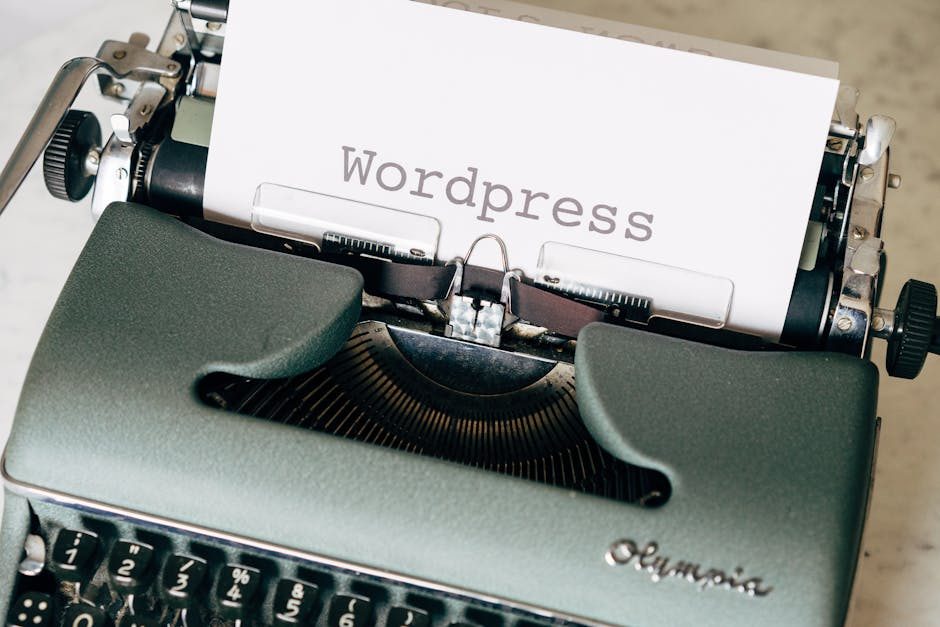
WordPress is a free, open-source content management system (CMS) that enables you to create and manage digital content with ease. With its intuitive interface and extensive community support, WordPress has become the go-to platform for bloggers, entrepreneurs, and businesses alike.
Setting Up Your WordPress Site
To get started with WordPress, you’ll need to install the platform on your website. You can do this by downloading the WordPress software from the official website or by using a 1-click installer provided by your web host. Once installed, you’ll need to configure your site’s settings, including your site title, tagline, and timezone.
Configuring Your Site’s Settings
- Set your site title and tagline
- Configure your timezone and date format
- Set up your site’s permalinks
Customizing Your WordPress Site
One of the most exciting aspects of how to WordPress is customizing your site’s design and layout. With thousands of free and paid themes available, you can choose a template that suits your brand and style. Additionally, you can use page builders like Elementor or Beaver Builder to create custom layouts and designs.
Optimizing Your WordPress Site
To ensure your WordPress site runs smoothly and efficiently, you’ll need to optimize its performance. This includes optimizing your images, minifying your code, and enabling caching. You can use plugins like WP Rocket or W3 Total Cache to streamline your site’s performance.
Learning More About WordPress
For more information on how to WordPress, we recommend checking out wordpress.org and wpbeginner.com. These authoritative sites offer a wealth of knowledge and resources to help you master the art of WordPress.
In conclusion, learning how to WordPress is a rewarding experience that can help you create a stunning online presence. With its intuitive interface, extensive customization options, and robust community support, WordPress is the perfect platform for anyone looking to build a website or blog.
FAQs
What is WordPress?
WordPress is a free, open-source content management system (CMS) that enables you to create and manage digital content.
How do I install WordPress?
You can install WordPress by downloading the software from the official website or by using a 1-click installer provided by your web host.
What are the benefits of using WordPress?
WordPress offers a wide range of benefits, including its ease of use, flexibility, and extensive community support.
Can I customize my WordPress site?
Yes, you can customize your WordPress site using themes, page builders, and plugins.
Related Reading
- How to work — Mastering How to Work Efficiently — Best Guide 2026
- The Ultimate Guide to Latest Trends in Machine Learning 2026 in 2026
- How To Workout At Home: Latest News and Updates (2026) — Best …
Further reading: How to wordpress on reuters.com.
Why this matters
How to wordpress has become a regular topic for readers in 2026 because the choices, prices and best practices keep shifting. The aim of this guide is to give you a clear, current view so you can decide quickly without reading ten different blog posts.
Key things to consider
- Match the option to your actual use-case — the most popular pick is rarely the right one for everyone.
- Compare on the metrics that matter to you (cost, time, quality), not just star ratings.
- Re-check the facts every few months. Things change quickly in this space.
- Keep one trusted reference handy and ignore the rest of the noise.
Common questions
Most readers ask roughly the same handful of questions about how to wordpress. The short answers below cover the basics; for the full details, use the sections above as your structured reference.
