
Staying fit and healthy is essential, and knowing how to workout at home can be a game-changer. With the increasing popularity of home workouts, it’s easier than ever to get in shape from the comfort of your own home. In this article, we’ll explore the benefits of working out at home, provide you with a list of essential equipment, and guide you through a variety of exercises to help you get started.
How to workout at home: Benefits of Working Out at Home
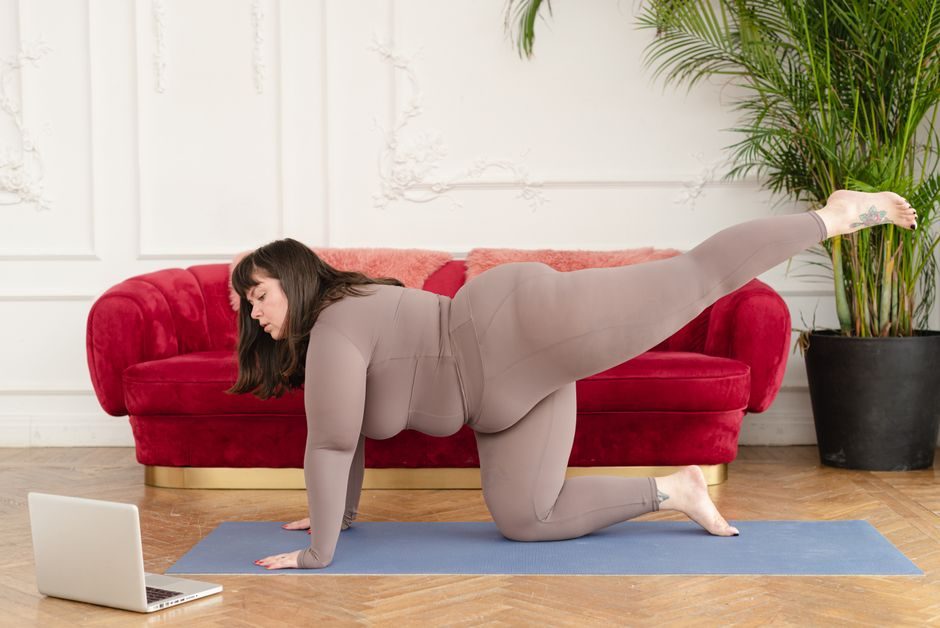
Working out at home offers numerous benefits, including convenience, cost-effectiveness, and flexibility. You can workout at any time, without having to worry about gym hours or commute. Additionally, you can customize your workout routine to suit your needs and preferences.
Essential Equipment for Home Workouts
To get started with working out at home, you’ll need some basic equipment. Here are a few essentials to consider:
- Dumbbells or resistance bands
- Yoga mat or exercise mat
- Jump rope or skipping rope
- Pull-up bar or resistance machine
Bodyweight Exercises for Home Workouts
Bodyweight exercises are a great way to workout at home, as they require minimal equipment and can be modified to suit your fitness level. Some popular bodyweight exercises include:
- Push-ups
- Squats
- Lunges
- Planks
For more information on bodyweight exercises, visit ACEfitness or NASM.
Creating a Home Workout Routine
Creating a home workout routine can be challenging, but with a little planning, you can achieve your fitness goals. Here are a few tips to consider:
- Set specific and achievable goals
- Choose exercises that target different muscle groups
- Include cardio and strength training exercises
- Warm up and cool down properly
Tips for Staying Motivated
Staying motivated is essential when working out at home. Here are a few tips to help you stay on track:
- Find a workout buddy or accountability partner
- Track your progress and set milestones
- Reward yourself for reaching your goals
- Vary your workout routine to avoid boredom
Conclusion
In conclusion, how to workout at home is a question that can be answered with a little creativity and planning. With the right equipment, exercises, and mindset, you can achieve your fitness goals from the comfort of your own home. Remember to stay motivated, track your progress, and have fun!
FAQs
What equipment do I need to workout at home?
You'll need basic equipment such as dumbbells, resistance bands, and a yoga mat.
How often should I workout at home?
Aim to workout at home 3-4 times per week, with at least one day of rest in between.
Can I really get in shape by working out at home?
Yes, with a consistent and well-planned workout routine, you can achieve your fitness goals and get in shape from the comfort of your own home.
How do I stay motivated when working out at home?
Find a workout buddy, track your progress, and reward yourself for reaching your goals to stay motivated and on track.
What are some good bodyweight exercises for home workouts?
Some popular bodyweight exercises include push-ups, squats, lunges, and planks.
Related Reading
- How To Woocommerce: Latest News and Updates (2026) — Best Guide
- How To WordPress: Latest News and Updates (2026) — Best Guide
- How to work — Mastering How to Work Efficiently — Best Guide 2026
Further reading: How to workout at home on forbes.com.
Why this matters
How to workout at home has become a regular topic for readers in 2026 because the choices, prices and best practices keep shifting. The aim of this guide is to give you a clear, current view so you can decide quickly without reading ten different blog posts.
Key things to consider
- Match the option to your actual use-case — the most popular pick is rarely the right one for everyone.
- Compare on the metrics that matter to you (cost, time, quality), not just star ratings.
- Re-check the facts every few months. Things change quickly in this space.
- Keep one trusted reference handy and ignore the rest of the noise.
Common questions
Most readers ask roughly the same handful of questions about how to workout at home. The short answers below cover the basics; for the full details, use the sections above as your structured reference.
