
A well-balanced diet is crucial for pregnant women, and knowing the best foods for pregnant women can make a significant difference in the health and development of the baby. A healthy diet provides the necessary nutrients, vitamins, and minerals for the growth and development of the fetus. In this article, we will explore the essential foods that pregnant women should include in their diet to ensure a healthy pregnancy.
Introduction to Pregnancy Nutrition
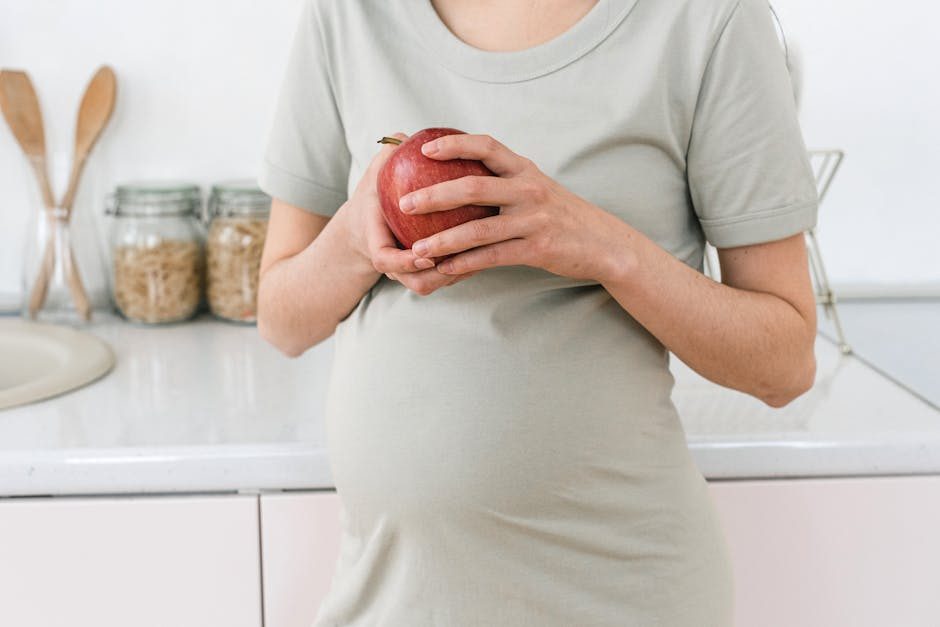
A healthy diet during pregnancy is essential to support the growth and development of the baby. Pregnant women need to consume a variety of foods from all food groups to ensure they get all the necessary nutrients. The best foods for pregnant women include lean proteins, whole grains, fruits, vegetables, and low-fat dairy products.
Essential Nutrients for Pregnant Women
Pregnant women need to consume essential nutrients like folic acid, iron, calcium, and protein. These nutrients are crucial for the growth and development of the baby. Foods rich in folic acid include leafy greens, legumes, and fortified cereals. Iron-rich foods include red meat, poultry, and fish. Calcium-rich foods include dairy products, leafy greens, and fortified plant-based milk.
Benefits of Omega-3 Fatty Acids
Omega-3 fatty acids are essential for the brain and eye development of the baby. Foods rich in omega-3 fatty acids include fatty fish, flaxseeds, and walnuts. Pregnant women can also consider taking a prenatal supplement that includes omega-3 fatty acids.
Healthy Meal Ideas for Pregnant Women
Here are some healthy meal ideas for pregnant women:
- Breakfast: oatmeal with fruit and nuts
- Lunch: grilled chicken with quinoa and steamed vegetables
- Dinner: baked salmon with sweet potatoes and green beans
Foods to Avoid During Pregnancy
Pregnant women should avoid consuming foods that are high in sugar, salt, and unhealthy fats. They should also avoid consuming raw or undercooked meat, poultry, and fish, as well as unpasteurized dairy products and juices. For more information on pregnancy nutrition, visit cdc.gov or mayoclinic.org.
Conclusion
In conclusion, eating the best foods for pregnant women is crucial for a healthy pregnancy and baby. Pregnant women should focus on consuming a variety of whole foods, including lean proteins, whole grains, fruits, vegetables, and low-fat dairy products. By following a healthy and balanced diet, pregnant women can ensure the best possible outcome for their baby.
FAQs
What are the best foods for pregnant women?
The best foods for pregnant women include lean proteins, whole grains, fruits, vegetables, and low-fat dairy products.
What nutrients are essential for pregnant women?
Essential nutrients for pregnant women include folic acid, iron, calcium, and protein.
Can pregnant women eat fish?
Pregnant women can eat fish, but they should avoid consuming high-mercury fish like shark, swordfish, and king mackerel.
How can pregnant women ensure a healthy pregnancy?
Pregnant women can ensure a healthy pregnancy by following a balanced diet, staying hydrated, and getting regular prenatal care.
Related Reading
- Unlock Best Foods For Glowing Skin
- R. B. Choudary: The Visionary Film Producer
- Glowing Skin: Discover Best Foods For Skin
Further reading: Best foods for pregnant women on forbes.com.
Why this matters
Best foods for pregnant women has become a regular topic for readers in 2026 because the choices, prices and best practices keep shifting. The aim of this guide is to give you a clear, current view so you can decide quickly without reading ten different blog posts.
Key things to consider
- Match the option to your actual use-case — the most popular pick is rarely the right one for everyone.
- Compare on the metrics that matter to you (cost, time, quality), not just star ratings.
- Re-check the facts every few months. Things change quickly in this space.
- Keep one trusted reference handy and ignore the rest of the noise.
Common questions
Most readers ask roughly the same handful of questions about best foods for pregnant women. The short answers below cover the basics; for the full details, use the sections above as your structured reference.
