
Learning how to wordpress can seem daunting, but with the right guidance, you can master this powerful content management system. WordPress is one of the most popular platforms for building websites, offering a wide range of customizable themes, plugins, and widgets. In this article, we will explore the basics of WordPress and provide you with a step-by-step guide on how to get started.
How to wordpress: Introduction to WordPress
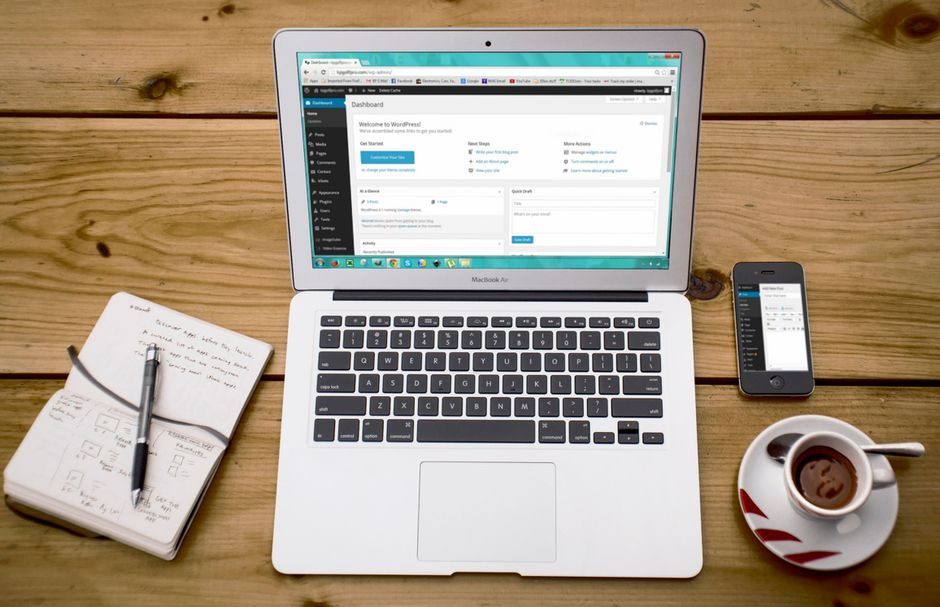
Before diving into the world of WordPress, it’s essential to understand its core features and benefits. WordPress offers a user-friendly interface, making it easy for beginners to create and manage their website. With thousands of themes and plugins available, you can customize your website to suit your needs and preferences.
Installing WordPress
Installing WordPress is a straightforward process that can be completed in a few simple steps. You can choose to install WordPress manually or use a one-click installation process offered by most web hosting providers. Here are the basic steps to follow:
- Download the WordPress software from the official website
- Upload the files to your web server using an FTP client
- Create a database and user account for your WordPress installation
- Configure your WordPress settings and install any necessary plugins
Customizing Your WordPress Website
Once you have installed WordPress, it’s time to customize your website. You can choose from thousands of free and paid themes, each offering unique features and designs. To customize your website, follow these steps:
Choosing a Theme
With so many themes available, choosing the right one can be overwhelming. Consider the following factors when selecting a theme:
- Responsiveness: Ensure the theme is mobile-friendly and responsive
- Customization options: Look for themes with built-in customization options
- Compatibility: Check the theme’s compatibility with your plugins and widgets
Optimizing Your WordPress Website
Optimizing your WordPress website is crucial for improving its performance and search engine rankings. Here are some tips to get you started:
- Use a caching plugin to reduce loading times
- Optimize your images and compress files
- Use a content delivery network (CDN) to distribute your content
WordPress Security and Maintenance
WordPress security and maintenance are essential for protecting your website from hackers and malware. Here are some tips to keep your website secure:
- Keep your WordPress software and plugins up-to-date
- Use strong passwords and enable two-factor authentication
- Monitor your website’s activity and backup your data regularly
For more information on WordPress security and optimization, visit wordpress.org and moz.com.
Conclusion
Learning how to wordpress takes time and practice, but with the right guidance, you can master this powerful content management system. Remember to stay up-to-date with the latest WordPress trends and best practices, and don’t hesitate to seek help when you need it. With patience and dedication, you can create a stunning and functional website using WordPress.
FAQs
What is WordPress?
WordPress is a free and open-source content management system used for building websites.
How do I install WordPress?
You can install WordPress manually or use a one-click installation process offered by most web hosting providers.
What are WordPress plugins?
WordPress plugins are software that adds functionality to your WordPress website, such as contact forms, social sharing, and SEO optimization.
How do I customize my WordPress website?
You can customize your WordPress website by choosing a theme, installing plugins, and configuring your settings.
Why is WordPress security important?
WordPress security is essential for protecting your website from hackers and malware, and ensuring the integrity of your data.
Related Reading
- How To Work: Overview, Latest Updates and Key Facts (2026) — B…
- How to Master Meta’s own AI was exploited to hijack Instagram accounts in 2026 [Full Guide]
- How To Work: Overview, Latest Updates and Key Facts (2026) — B…
Further reading: How to wordpress on bbc.com.
