
Learning how to workout at home can be a game-changer for those with busy schedules or who prefer the comfort of their own space. With a few simple pieces of equipment and some dedication, you can create a effective workout routine from the comfort of your own home. In this article, we will explore the best ways to workout at home, including exercises, tips, and tricks to help you get started.
How to workout at home: Benefits of Working Out at Home
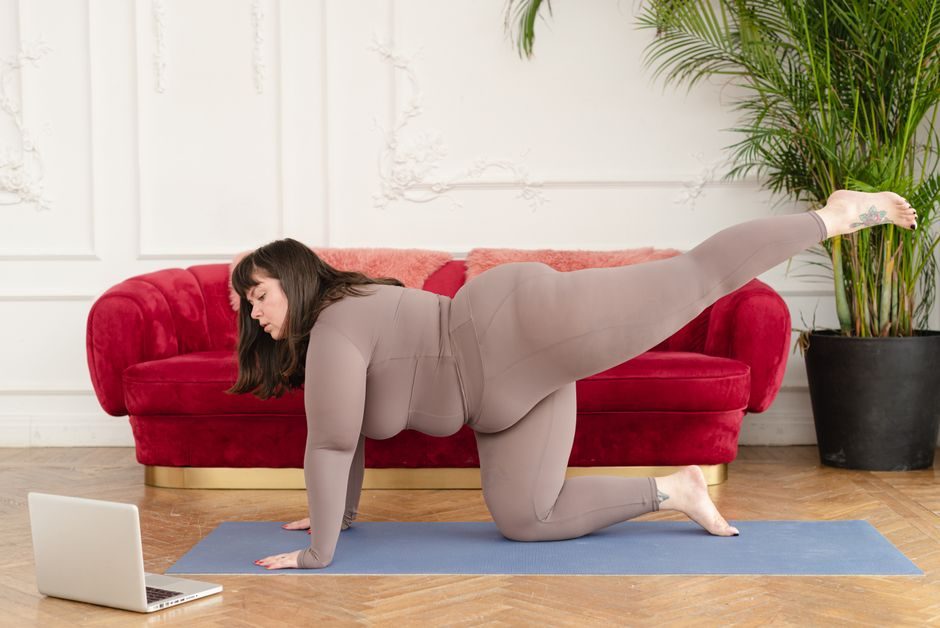
Working out at home has numerous benefits, including convenience, cost-effectiveness, and the ability to work out at any time. You can also avoid the crowds and intimidation that can come with working out at a gym. Some other benefits of working out at home include:
- Increased flexibility and autonomy
- Reduced risk of injury from overexertion
- Improved mental health and reduced stress
Essential Equipment for Home Workouts
While it’s possible to workout at home with minimal equipment, there are a few essential items that can enhance your routine. These include:
- Resistance bands or dumbbells
- A yoga mat or exercise mat
- A jump rope or other cardio equipment
Effective Home Workout Routines
When it comes to creating a effective home workout routine, it’s all about variety and consistency. Here are a few tips to help you get started:
- Start with short, manageable workouts and gradually increase duration and intensity
- Incorporate a mix of cardio, strength training, and flexibility exercises
- Find a workout buddy or accountability partner to help stay motivated
Common Mistakes to Avoid When Working Out at Home
While working out at home can be convenient and effective, there are a few common mistakes to avoid. These include:
- Overexertion and inadequate warm-up and cool-down routines
- Poor form and technique, which can lead to injury
- Lack of consistency and motivation
Staying Motivated and Tracking Progress
Staying motivated and tracking progress is crucial when working out at home. Here are a few tips to help you stay on track:
- Use a fitness tracker or mobile app to monitor progress
- Set realistic goals and celebrate small victories
- Find a workout community or support group for motivation and accountability
For more information on working out at home, visit acefitness.org or americanheart.org.
FAQs
What equipment do I need to workout at home?
You can start with minimal equipment, such as resistance bands or dumbbells, and gradually add more as you progress.
How often should I workout at home?
Aim for at least 30 minutes of moderate-intensity exercise per day, and incorporate rest days as needed.
Can I get a good workout at home without any equipment?
Yes, bodyweight exercises such as push-ups, squats, and lunges can be an effective way to workout at home without any equipment.
How do I stay motivated when working out at home?
Find a workout buddy, set realistic goals, and track progress to stay motivated and accountable.
Is working out at home as effective as working out at a gym?
Yes, with a well-structured routine and dedication, working out at home can be just as effective as working out at a gym.
Related Reading
- How To Woocommerce: Latest News and Updates (2026) — Best Guide
- How To WordPress: Latest News and Updates (2026) — Best Guide
- How to work — Mastering Productivity: How to Work Efficiently …
Why this matters
How to workout at home has become a regular topic for readers in 2026 because the choices, prices and best practices keep shifting. The aim of this guide is to give you a clear, current view so you can decide quickly without reading ten different blog posts.
Key things to consider
- Match the option to your actual use-case — the most popular pick is rarely the right one for everyone.
- Compare on the metrics that matter to you (cost, time, quality), not just star ratings.
- Re-check the facts every few months. Things change quickly in this space.
- Keep one trusted reference handy and ignore the rest of the noise.
Common questions
Most readers ask roughly the same handful of questions about how to workout at home. The short answers below cover the basics; for the full details, use the sections above as your structured reference.
