
Staying fit and healthy is essential, and knowing how to workout at home can be a game-changer. With the rising costs of gym memberships and the convenience of working out from the comfort of your own home, it’s no wonder many people are turning to home workouts. In this article, we’ll explore the benefits of working out at home and provide you with a comprehensive guide on how to get started.
How to workout at home: Benefits of Working Out at Home
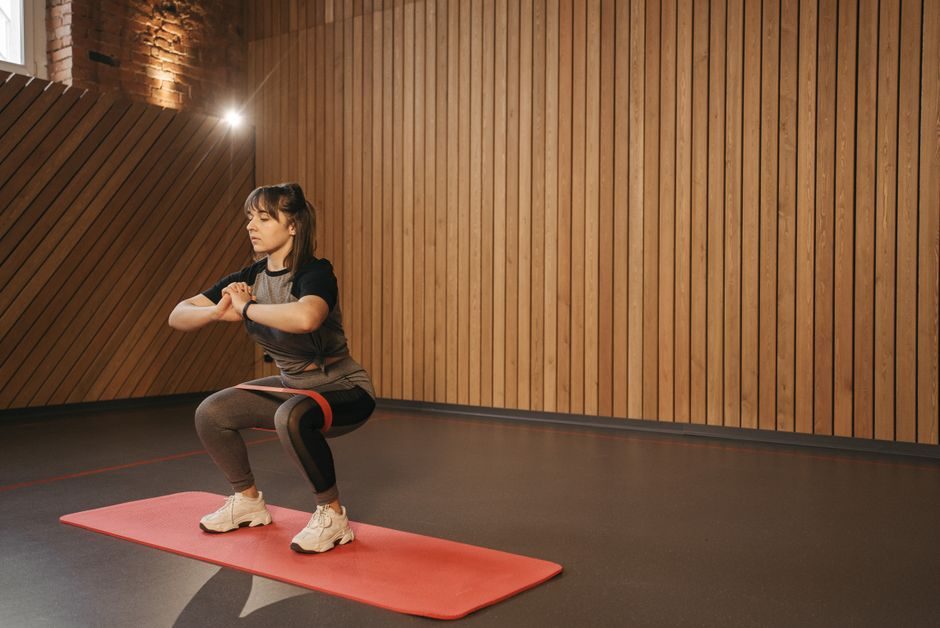
Working out at home has numerous benefits, including convenience, cost-effectiveness, and flexibility. You can workout at any time of the day, without having to worry about gym hours or commuting. Additionally, you can create a workout routine that suits your needs and preferences, without having to worry about crowds or waiting for equipment.
Setting Up Your Home Gym
To get started with your home workout routine, you’ll need to set up a home gym. This doesn’t have to be expensive, as you can start with basic equipment such as dumbbells, resistance bands, and a yoga mat. You can also invest in a treadmill, stationary bike, or other cardio equipment if you have the space and budget.
Essential Equipment for a Home Gym
- Dumbbells
- Resistance bands
- Yoga mat
- Treadmill or stationary bike (optional)
Creating a Workout Routine
Creating a workout routine can be overwhelming, especially if you’re new to working out. A good routine should include a combination of cardio, strength training, and flexibility exercises. You can find plenty of workout routines online, or consult with a personal trainer to create a customized routine. For more information, visit acefitness.org or mayoclinic.org.
Staying Motivated
Staying motivated is key to a successful home workout routine. You can stay motivated by setting goals, tracking your progress, and finding a workout buddy. You can also mix up your routine to avoid boredom and prevent plateaus.
Common Mistakes to Avoid
When working out at home, it’s essential to avoid common mistakes such as overexertion, poor form, and inadequate warm-up. Make sure to listen to your body and take regular breaks to avoid injury.
In conclusion, how to workout at home is a topic that requires careful consideration and planning. With the right equipment, routine, and motivation, you can achieve your fitness goals from the comfort of your own home. Remember to stay safe, have fun, and consult with a healthcare professional before starting any new exercise routine.
FAQs
What equipment do I need to workout at home?
You can start with basic equipment such as dumbbells, resistance bands, and a yoga mat.
How often should I workout at home?
Aim to workout at least 3-4 times per week, with at least one day of rest in between.
Can I get a good workout at home without any equipment?
Yes, you can get a good workout at home without any equipment by doing bodyweight exercises such as push-ups, squats, and lunges.
How do I stay motivated to workout at home?
You can stay motivated by setting goals, tracking your progress, and finding a workout buddy.
Related Reading
- How to woocommerce: Mastering WooCommerce: A Beginner’s Guide …
- How to wordpress — Mastering WordPress: How to WordPress — Bes…
- How To Work: Overview, Latest Updates and Key Facts (2026) — B…
Further reading: How to workout at home on investopedia.com.
Why this matters
How to workout at home has become a regular topic for readers in 2026 because the choices, prices and best practices keep shifting. The aim of this guide is to give you a clear, current view so you can decide quickly without reading ten different blog posts.
Key things to consider
- Match the option to your actual use-case — the most popular pick is rarely the right one for everyone.
- Compare on the metrics that matter to you (cost, time, quality), not just star ratings.
- Re-check the facts every few months. Things change quickly in this space.
- Keep one trusted reference handy and ignore the rest of the noise.
Common questions
Most readers ask roughly the same handful of questions about how to workout at home. The short answers below cover the basics; for the full details, use the sections above as your structured reference.
