SwimWay — Headless WordPress Forms & Integration
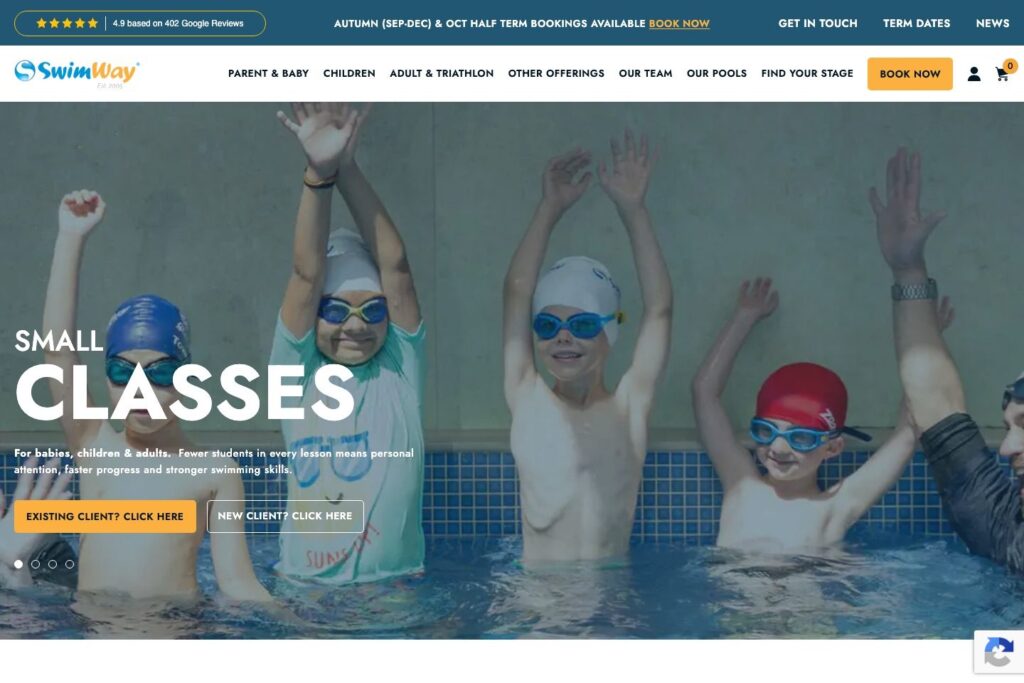
SwimWay is a UK swim school with a Next.js front end that reads content from WordPress.
Headless WordPress with Next.js, maintained from both ends: the CMS, its APIs and plugins, and the front end that reads from them.
Headless sites usually fail at the seams. A form works on staging but not in production because a backend plugin was never deployed there. Links point to the CMS domain instead of the front end. A noindex tag in the front-end app quietly removes the whole site from Google. I have fixed each of these on live client sites.
My headless work covers swim schools, B2B manufacturers, a performing-arts franchise reading from both Laravel GraphQL and WPGraphQL, luxury retail on headless WooCommerce, and a European trade association whose meeting pages depend on a custom WordPress API.
Custom post types, ACF field groups and editor workflows designed for API delivery.
Custom endpoints and GraphQL schema extensions, with caching and permission checks.
Contact Form 7 and other forms exposed safely to the front end, with spam protection and CRM delivery.
Static or server-rendered pages, previews, menus and media, all served from WordPress.
Metadata from the CMS, correct canonicals, sitemaps and robots settings, and a check of what is actually rendered.
Keep staging and production plugins, settings and data in step, so releases behave the same.
SwimWay is a UK swim school with a Next.js front end that reads content from WordPress.
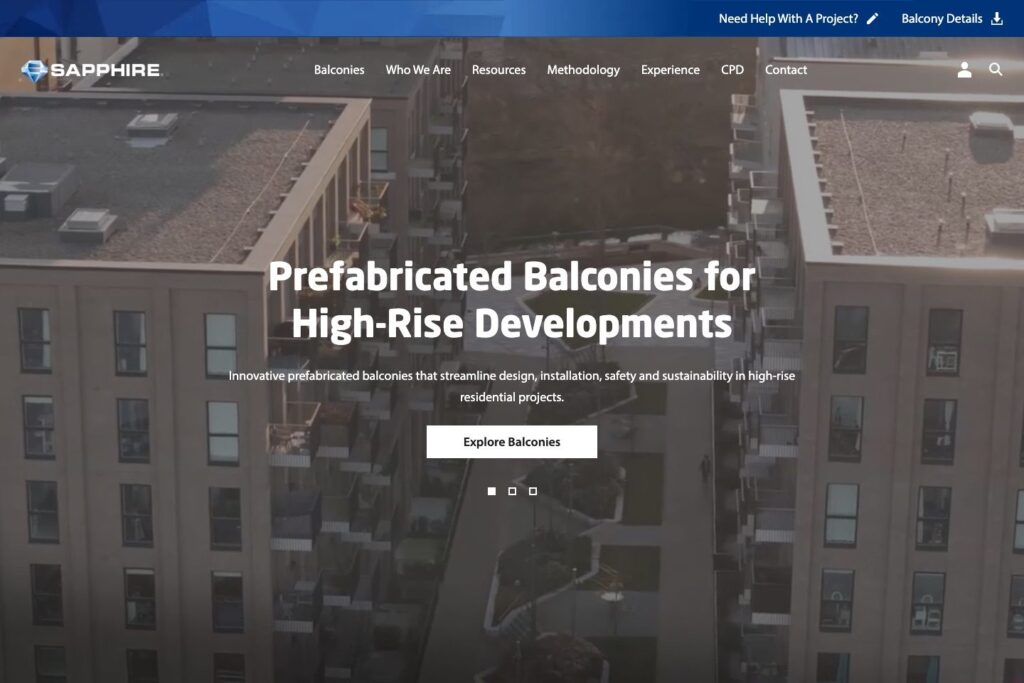
Sapphire makes prefabricated balconies for high-rise buildings.
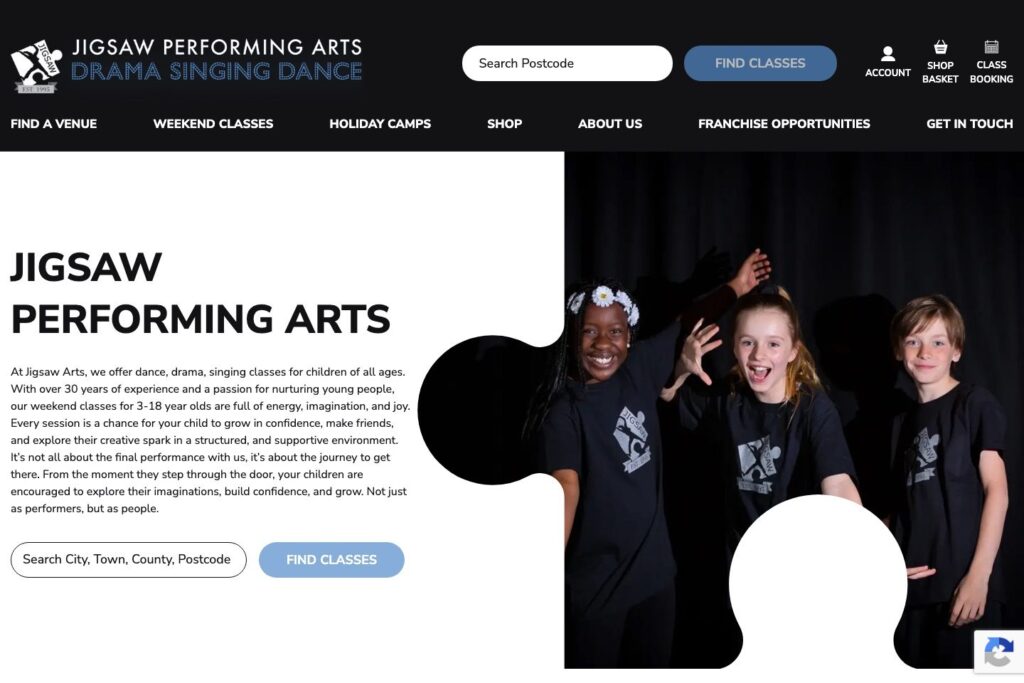
Jigsaw runs drama, singing and dance classes for young people across the UK.
CCSA — Carbon Capture & Storage Association is the European trade association working to speed up the commercial use of carbon capture, utilisation…
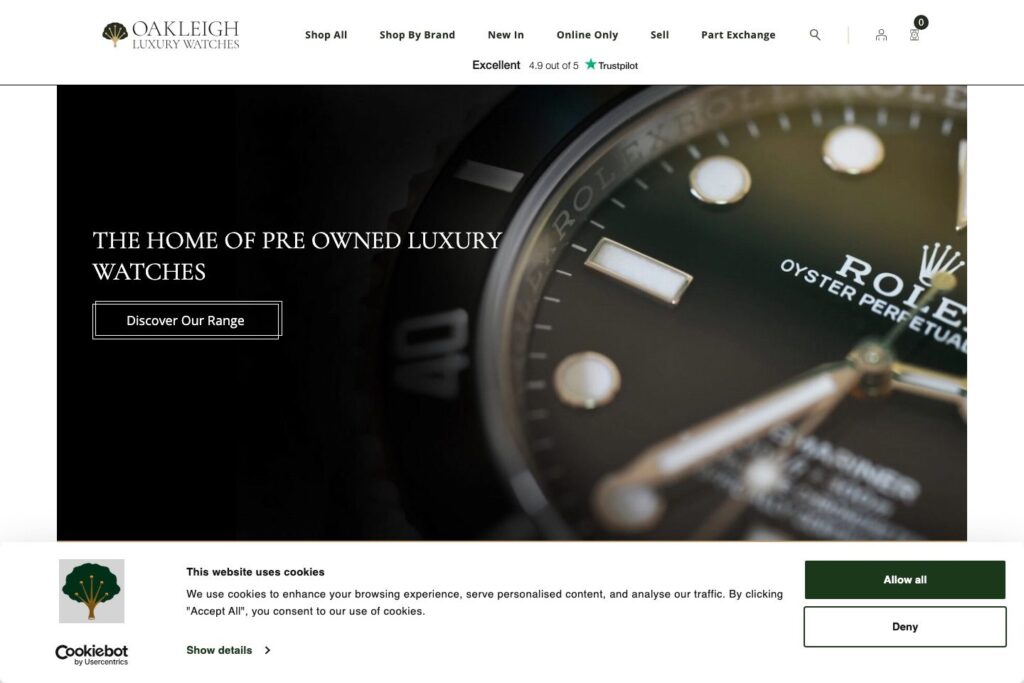
Oakleigh Watches is a UK dealer in certified pre-owned luxury watches including Rolex and Omega.
William Walter is a London antique silver dealer whose shop runs headless WooCommerce behind a Next.js front end.
Go headless when you need a very fast, custom front end or several front ends sharing one CMS. Otherwise a traditional WordPress theme is simpler and cheaper to run. I'll give you a straight answer.
Both work. WPGraphQL with ACF suits complex, nested content. REST is simpler and needs no extra plugin. I have built production sites with each.
The front end reads the form's fields from WordPress and posts submissions back to it, or to a CRM, without exposing email settings or secrets.
Common causes are a blocking robots.txt, a stray noindex tag in the front-end app, or wrong canonicals. I check the rendered HTML to find the real cause.
Yes, with a preview route on the front end that uses a secure token to fetch draft content.
Pick a call time in your own time zone or ask for an email reply. You will get questions or a written quote, with no obligation.
Prefer to message? WhatsApp +91 63501 08464 · bikas6350@gmail.com · LinkedIn
Also available